How An Employee Feedback Systems Improve HR Engagement
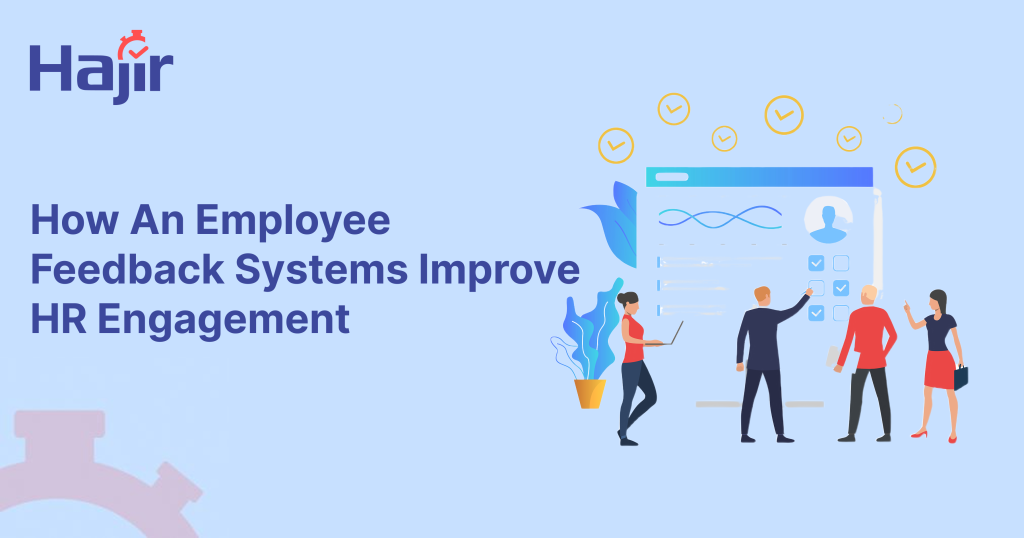
In today’s fast-paced workplaces, the importance of fostering a culture of open communication and continual improvements is crucial. At the core of this is the power of an employee feedback system. This method of gathering data, analyzing and acting upon the employee’s insights is transforming in the eyes of Human Resources (HR) professionals who are committed to improving the health of an organization. An effective employee feedback system is more than just a way to collect opinions. It serves as a strategic compass that directs HR initiatives that improve morale and productivity as well as retention. By continuously listening to the employees, HR can move beyond assumptions and develop strategies to increase the level of engagement and create a work environment that makes employees feel respected and valued. They also feel committed to the success of the business.
The crucial link between feedback and Engagement
Engagement of employees isn’t an obscure metric. It’s the level of emotional commitment that employees have to the company and its goals. Engaged employees are energized and innovative as well as resilient. Employees who are disengaged, on the contrary, are less productive and more likely to leave and may negatively affect the morale of the team. The key to bridging the two states is usually communication. Without official communication between employees, they may be disorganized, unreliable and biased. HR may only hear from employees who are the loudest or get feedback too late to address issues that are simmering.
A dedicated system alters this situation completely. It offers consistent, secure channels for employees to discuss their thoughts, experiences and worries. Being solicited and heard is fundamentally stimulating. It lets employees know that their voice is important in shaping the workplace. When HR responds to the feedback, it confirms employees’ voices, increasing confidence and enhancing the sense of belonging that is the foundation of ongoing engagement.
Key Components of an Effective Employee Feedback System
Feedback mechanisms are not all made equal. A successful system is multi-faceted and is integrated into the organization’s timetable.
Pulse Surveys: A series of short, frequently-scheduled surveys that measure the mood of the company in real-time. In contrast to annual surveys, pulses offer immediate, actionable information about specific issues such as recent changes to policies as well as team dynamics and the workload.
Anonymous channels: Secure areas for honest feedback is essential. Digital or anonymous suggestion boxes let employees speak freely about sensitive subjects with no fear of retribution. They also give HR authentic, unfiltered feedback.
360-Degree feedback: This tool offers information on how the employee is performing as an employee’s supervisors as well as his peers or their direct supervisors. It provides thorough assessments of areas of growth and strengths as well as encouraging personal growth and self-awareness that are vital in ensuring that employees are engaged.
Interviews for Stay and Exit: Organized conversations with employees who are departing or currently employed give deep insights into the corporate culture. Understanding the reasons that people stay (stay interview) is as crucial as knowing the reasons why that they leave (exit interview).
Integrated Action Planning and Following-up Tool: A crucial aspect will be the close feedback loop. The system should include the tools needed by managers and HR to analyse data, make action plans and, foremost, relay employees back what they have received and what is expected to change.
How HR makes use of feedback data to Increase Engagement
Gathering data is just the beginning. The true value of an employee’s feedback System comes into play when the HR transforms information into strategic actions.
Finding Engagement Hotspots and Blind Spots: Data from feedback systems can help identify certain teams, departments or even groups of people that have low engagement. This enables HR to shift from general policies to specific interventions, whether a team is experiencing conflict between departments or an isolated team that feels disconnected.
Information for the management and leadership training: Feedback is often a way to highlight the strengths and weaknesses of managers. HR can utilize this information to create precise training programs, for instance, coaching on communication, recognition or delegation, directly addressing concerns that employees have expressed. This can improve the efficiency of management as a key factor in team engagement.
The need to change policies and benefits: Do employees feel burnout? Feedback data could help be used to justify changes to PTO policies or mental health days or flexible work arrangements. Are they looking to grow? This could lead to the creation of clearer career pathways or enhanced learning and development programs. HR is now an advocate for benefits based on data that employees actually enjoy.
Measuring the impact of initiatives: After implementing a new wellness program or shift in the communication tools HR can utilize pulse surveys to measure the impact of the level of engagement. This creates an environment of constant improvement. Every initiative is analyzed and redesigned according to the response of employees.
The creation of a culture of Recognition: Feedback systems could include peer-to-peer recognition programs. If employees are able to publicly recognize their contributions to one another that creates positive attitudes, strengthens bonds, and helps employees feel valued, which is a huge boost to everyday engagement.
Overcoming Common Challenges in Implementation
The decision to implement an employee feedback system is not without challenges that HR needs to address in a proactive manner.
Survey Fatigue: Placing employees with a lot of long surveys can lead to disengagement. The best way to combat this is to keep the pulses brief and vary the questions and utilize various methods (micro-feedback following meetings, short polls or surveys, etc. ).
Fear of Retaliation: Employees need to be confident that their integrity is secured. HR must promote anonymity, clearly explain protocols for privacy of data and show leadership when responding to feedback in a non-threatening manner.
The “Black Hole” Effect: The fastest way to end engagement is to gather feedback but do nothing about it. HR should be able to mandate and support this “close the loop” process. This involves sharing summaries of results with the entire organization and working with managers on actions plans, and providing regular reports on progress. Transparency is what creates trust over time.
The Future of Feedback: Continuous and Integrated
The creation of the Employee Feedback System is advancing towards the idea that it is an “always-on,” integrated model. Modern platforms are using artificial intelligence to analyse the mood in real-time, provide prescriptive insights into turnover risk and connect with tools for collaboration like Slack as well as Microsoft Teams. Feedback is transformed from being a regular moment to an organic, interwoven element of work. The aim is to have an ongoing conversation in which feedback flows seamlessly throughout the day and HR can get the ability to monitor engagement in real-time and to intervene in a proactive manner instead of in a reactive manner.
Conclusion: From Administrative Function to Strategic Partner
sion
Implementing an extensive employee feedback system will transform the HR function within a business. HR is transformed from an administrative task into a strategic, effective partner in the growth of the company.With a system in place that collects employee voices HR gets the reliable information needed to push for effective change, manage resources efficiently, and demonstrate the effectiveness of engagement initiatives. In a highly competitive and crowded talent market one who truly is attentive and adapts to the voice of its employees has an advantage. A feedback system for employees isn’t just an instrument to measure engagement, but it’s the engine that drives its development, resulting in a durable, flexible, adaptable, and connected workplace in which both employees and business can flourish.
Know more about HajirHR. Your All in one HR software.